- Published by Yvonne O'Halloran
- Feb 3, 2020
Study correlates flavonol consumption with lower Alzheimer’s risk

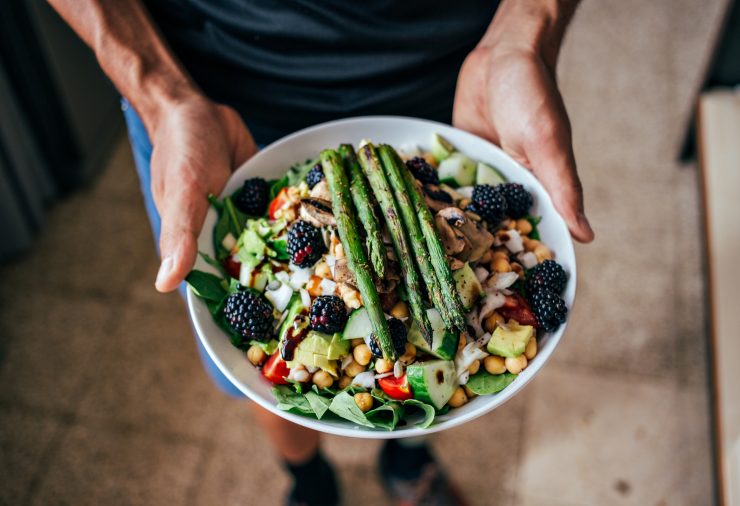
A study published online on January 29th in Neurology found that consuming flavonol-rich fruits and vegetables may lower your risk for developing Alzheimers disease. Researchers compared the intake of flavonol rich foods such as kale, broccoli, beans, apples and tomatoes to Alzheimers disease incidence in elderly participants with no dementia.
Flavonols are a type of flavonoid, a group of phytochemicals found in plant pigments known for its beneficial effects on health. The study involved 921 people with an average age of 81 who did not have Alzheimer’s dementia. The people filled out a questionnaire each year on how often they ate certain foods. They were also asked about other factors, such as their level of education, how much time they spent doing physical activities and how much time they spent doing mentally engaging activities such as reading and playing games.
The participants were tested yearly to see if they had developed Alzheimer’s dementia. They were followed for an average of six years. The researchers used various tests to determine that 220 people developed Alzheimer’s dementia during the study.
They were divided into five groups based on how much flavonol they had in their diet. The average amount of flavonol intake in US adults is about 16 to 20 milligrams per day. In the study, the lowest group had intake of about 5.3 mg per day and the highest group consumed an average of 15.3 mg per day.
The study also broke the flavonols down into four types: isorhamnetin, kaempferol, myricetin and quercetin. The top food contributors for each category were: pears, olive oil, wine and tomato sauce for isorhamnetin; kale, beans, tea, spinach and broccoli for kaempferol; tea, wine, kale, oranges and tomatoes for myricetin; and tomatoes, kale, apples and tea for quercetin.
Those who had high intake of isorhamnetin were 38% less likely to develop Alzheimer’s. Those with high intake of kaempferol were 51 % less likely to develop dementia. And those with high intake of myricetin were also 38 % less likely to develop dementia. Quercetin was not tied to a lower risk of Alzheimer’s dementia. The results were the same after researchers adjusted for other factors that could affect the risk of Alzheimer’s dementia, such as, diabetes, previous heart attack, stroke and high blood pressure. It is believed that the reason for the reduced Alzheimers risk is due to the antioxidant effect and improved cognitive function associated with flavonol intake.
More research is needed to confirm these results, but for now it’s a simple recommendation to increase your intake of fruits, vegetables and teas high in flavonols to protect yourself from developing Alzheimers disease.
Do you wish to transition to a vegan lifestyle in a safe and supportive environment?
Join V-TRIBE today.Keep Informed
Join our mailing list to receive the free monthly Living Vegan newsletter, as well as two professional Dietitian Resources.


Our Purpose
Co-founded by Accredited Professional Nutritionist and Dietitian Yvonne O’Halloran, LivingVegan.com aims to provide a safe, informative space for anyone wishing to transition to and thrive on a vegan lifestyle. Aside from the proven health benefits, a whole-food plant-based diet has massive positive impacts for the environment and all the creatures we share our planet with. Our goal is to bring you news and resources that will dispel the myths associated with veganism and make the change second nature.
For Health, For Earth, For Compassion…

Warning
This section may contain some confronting imagery of cruelty. Cancel, if you don’t wish to view.